
The short answer: soft ground
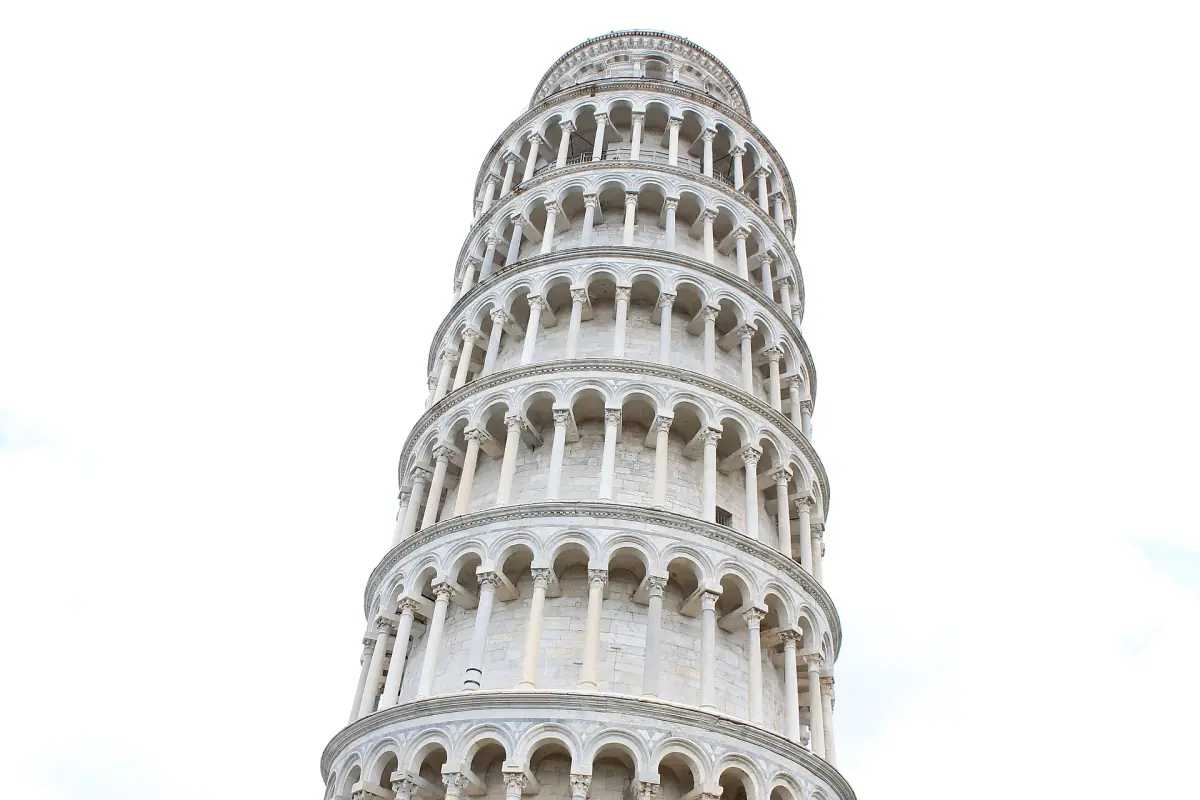
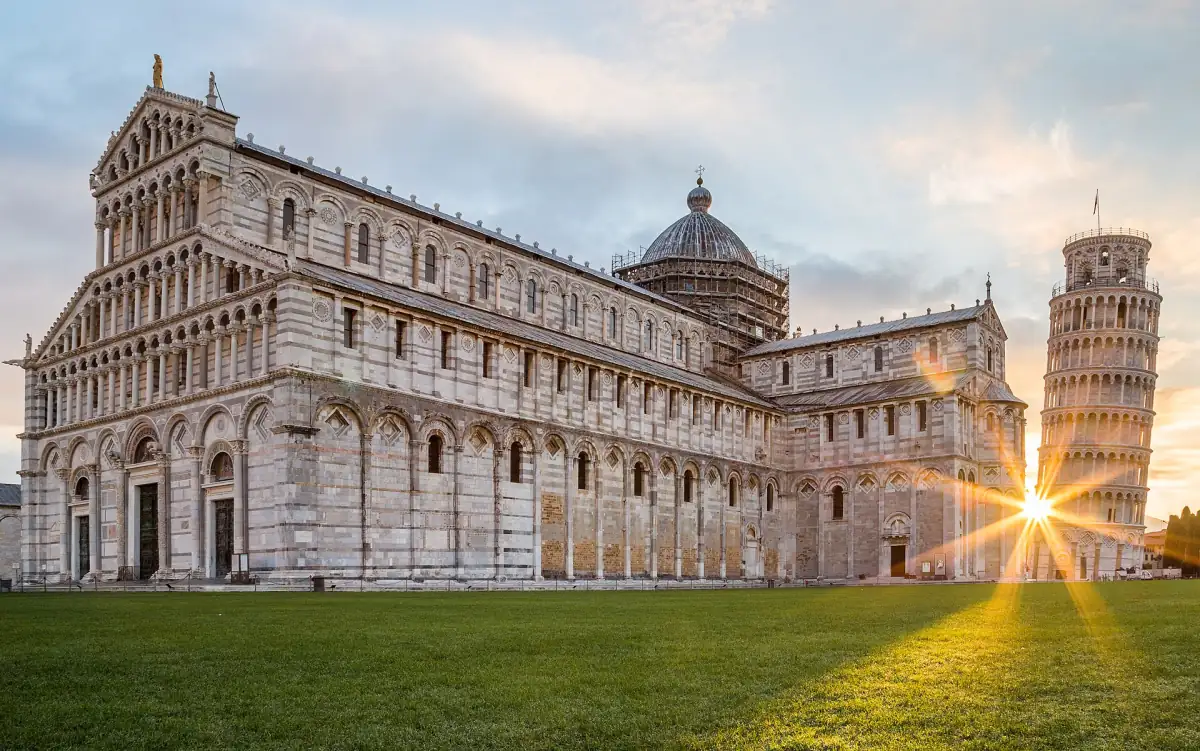
The Leaning Tower of Pisa is the free-standing bell tower of the cathedral. It started to lean while it was being built, because the ground under it gave way on one side. The lean was not planned and it was not an architectural idea.
The ground is soft, unstable subsoil with deposits from an earlier arm of the Auser river. Work between 1990 and 2001 reduced the lean slightly and stabilized the tower.
What happened during construction
The lean is a story of ground, pauses and corrections.
The ground gave way
Work began on 9 August 1173. The foundations sat on weak soil with old river deposits. After the third ring of the tower the building stopped, because the ground was settling unevenly.
A long pause helped
Work resumed in 1275 under Giovanni di Simone and Giovanni Pisano. Some accounts give 1272 for the restart. The pause lasted roughly a century.
Upper floors built against the lean
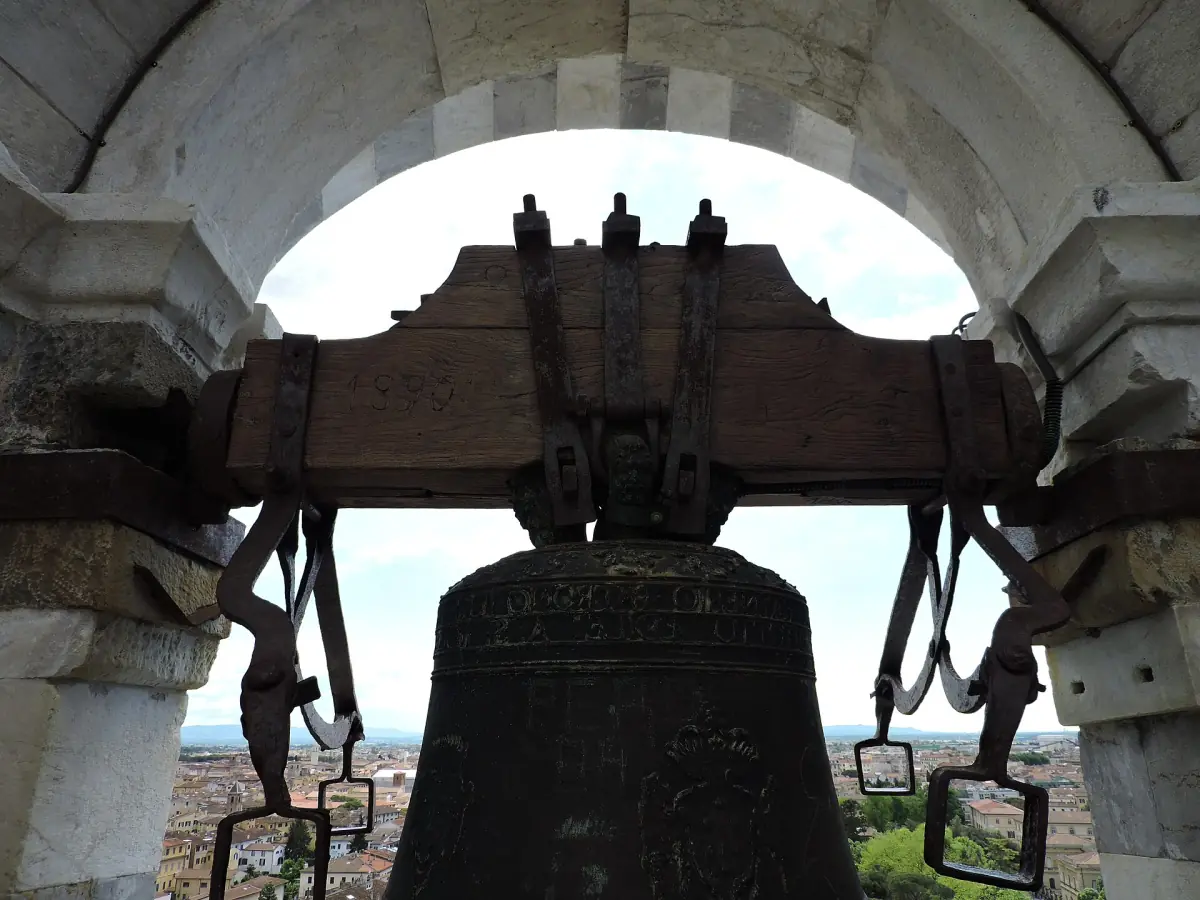
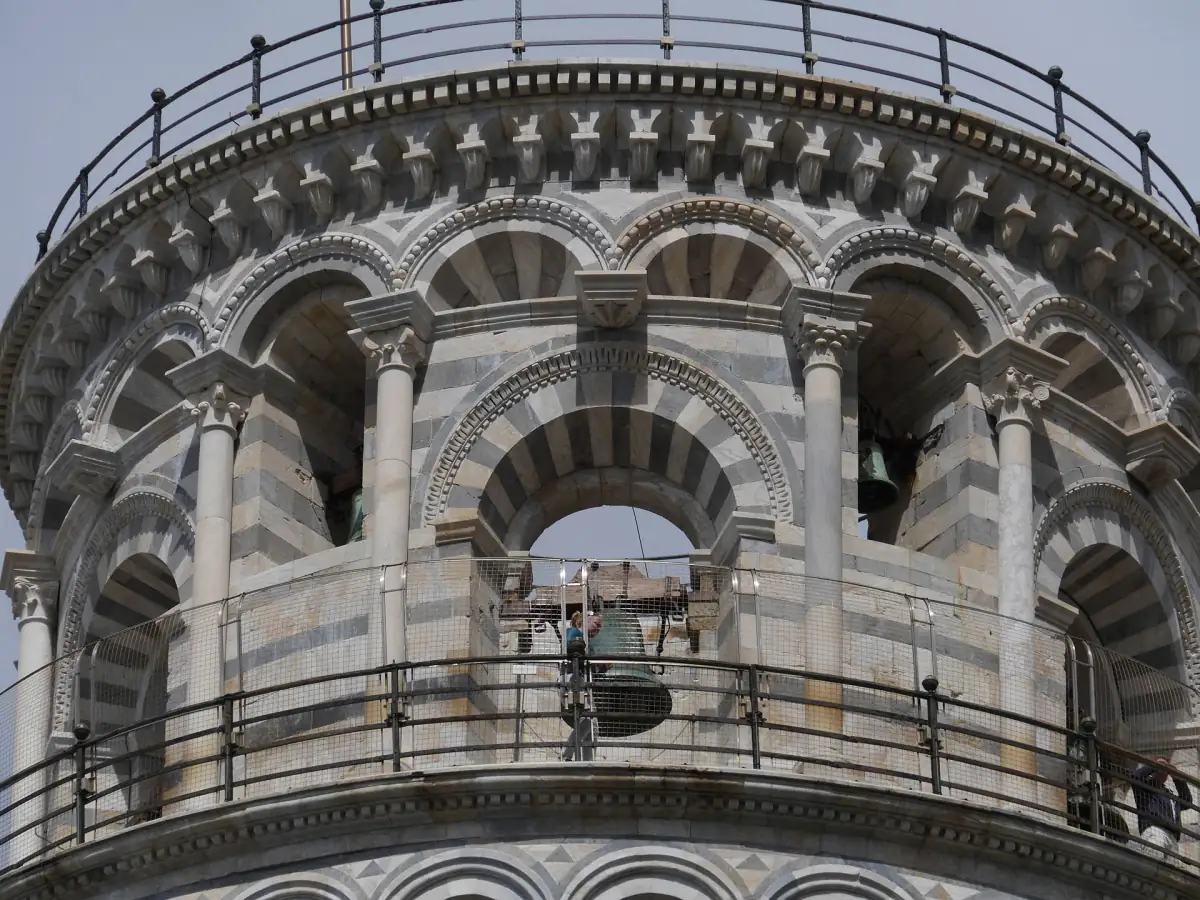
The upper floors were built to compensate for the tilt that had already appeared. The belfry was finished around the middle of the following century. Each new floor was set against the direction of the lean.
Not on purpose
The builders did not want a leaning tower. The tilt comes from the ground, so a story about a deliberate design is a myth.
Full history →Pisa tours and day trips
Guided visits and day trips to the Leaning Tower and the Piazza dei Miracoli, with live prices and availability.
The rescue from 1990 to 2001
How the tower was kept standing.
Closed to visitors
The tower was closed to the public at the start of 1990. The closing date was 7 January 1990. It reopened in December 2001, on 15 December. The work took more than a decade.
Soil taken out on the north side
Engineers Burland, Jamiolkowski and Viggiani describe a controlled removal of soil under the north side of the foundation. It was combined with regulation of the groundwater, which rises and falls with the seasons.
A small correction
According to their 2009 paper, the lean toward the south was reduced by about 10 percent. That is a modest correction, and the tower still leans clearly. The aim was safety, not a straight tower.
Slow straightening and monitoring
The operator describes a further slow straightening after the works, and the tower is still monitored with instruments. That is not a guarantee of absolute earthquake safety.
How much does it lean?
The main value and the other measurements.
| Measurement | Tilt | Note |
|---|---|---|
| Operator, monument page | 5.115° | Main value, described as the current one |
| Technical sheet | About 4° | Other measurement, file dated July 2024 |
| Learning brochure | Under 5° | Other measurement, value after the stabilization works |
| City tourism portal | 5° | Other measurement, text from 2021 |
| University wiki (Unipedia) | 3.97° | Other measurement, editorial wiki |
These numbers are not a before-and-after series, because they come from different measurements and dates. For a visit it is enough to know that the tower leans by roughly 4 to 5 degrees and that the movement is monitored.
What the lean means for your visit
The tilt shapes the climb, not the ticket.
Uneven, slippery stairs
The stairs are uneven and slippery, and the operator advises against the climb for people with heart or circulation conditions or with limited mobility, and it does not promise a wheelchair-accessible ascent.
A fixed time slot
The climb is tied to the time you choose. The operator recommends arriving 15 minutes early, and a late arrival can mean losing the visit without a replacement. A tower ticket costs €20 in 2026.
Tickets and time slots →Bags are left behind
Even handbags must be handed in before the climb and collected afterwards. The cloakroom is free and reserved for tower visitors.
Why the Leaning Tower of Pisa leans: frequently asked questions
Was the tower built leaning on purpose?
No. The tilt comes from soft, unstable ground. The upper floors were built to compensate for a lean that had already appeared.
Why did it not fall over?
Building stopped after the third ring and resumed in 1275 with upper floors that compensate for the lean. In 1990 to 2001 engineers then removed soil under the north side and regulated the groundwater to stabilize the tower.
Is the tower still moving?
The operator describes a further slow straightening after the works, and the tower is monitored with instruments.
Is the tower safe to climb?
The operator allows climbs with a ticket and describes continuing instrument monitoring, including after an earthquake on 4 August 2026. Monitoring is not a promise of absolute earthquake safety. Check the climbing rules before you book.
What is the current angle of the tilt?
The operator gives 5.115° as the current value. Other measurements give about 4°, 5° and 3.97°, so roughly 4° to 5° is a safe way to put it.